


Transport
Resilience is the key to an effective multimodal transport system; innovation adoption is key.
The transport challenge
The transport system is highly fragmented and not very resilient. When disruption occurs, maintenance is needed or unforeseen circumstances arise, the system is unable to quickly recover.
When this happens, the industry is hit with penalties. Transport delays costs the UK economy £1billion each year and causes passengers and crews unnecessary inconvenience and stress. With increasing demand and ageing infrastructure, the need to implement advanced digital technologies to support with planning and operations is growing.
CFMS works with transport teams to understand their challenges and implement advanced digital methods to support operational decision making. By bringing proven tools from other sectors and combining them with the extensive knowledge of transport operators, we’re able to increase efficiency and make for better planning.
How we work in Transport
Our use cases in Transport.
Planning and capacity, operational resilience and timetabling can all benefit from the use of advanced digital methods to improve outcomes. Discover how we’re solving these challenges in the transport space.

Conceptual Planning & Capacity Modelling
Strategic planning of transport systems requires months of analysis to understand the impact of the plan on the network and if it meets the desired performance. Utilise modern technologies to reduce this process to minutes, allowing for more focus on strategic outcomes.
Timetable Modelling for Disruption
Understand the impact of disruptive events in advance and proactively identify the optimal course of action to maximise service delivery using our model-based timetable optimisation tool.
Timetable Performance and Resilience
Reliability is key when it comes to providing a good rail service. Evaluate hundreds of thousands of scenarios in a matter of minutes, giving your planning team comprehensive data and insights to analyse trade-offs and the impact associated with any given timetable change.
Optimisation of Maintenance Activity and Track Possession
Understanding the impact of maintenance activity and track possessions on complex, highly connected networks is critical to minimise disruption and costs. Timetable tools coupled with design space exploration, whole system modelling and high performance compute can quantify the impact of these disruptive events. Optimise plans to minimise impact on the network, reducing downtime and costs.
Impact studies
Transport problems we have solved.
Explore the challenges we’ve solved for the transport industry from disruption management to operational planning.

Improving Disruption Planning for a Rail Operator
Disruption on the railway network is creating significant challenges. Simulation technology underpinned by high performance computing is accelerating replanning processes, helping to restore services more quickly and keep the travelling public moving.
Digital Twins for Permissive Noise Levels
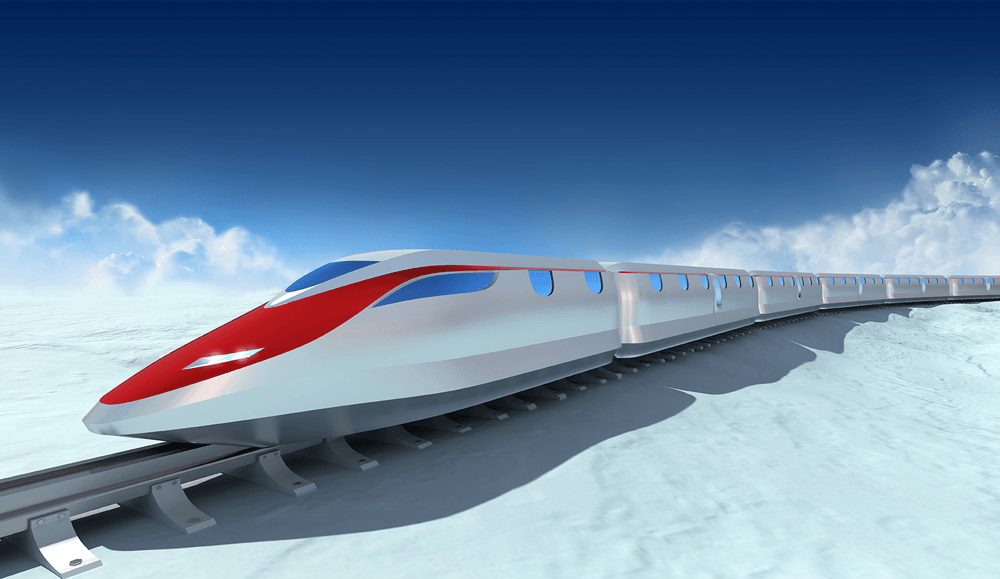
Balancing transport benefits with environmental impact is challenging. Finding a way to maximise train throughput without exceeding permissible noise levels was the challenge HS2’s innovation team was trying to solve. A range of digital methods were used to create a digital twin, giving planners an insight into the ideal throughput of trains.

Forecasting Catering Requirements for Improved Passenger Experience
Effective planning of onboard catering logistics for train operators is critical to delivering a good customer experience, particularly for premium seats. Forecasting passenger numbers, service uptake rates and staff requirements created greater accuracy in catering orders, reducing food waste and cost.
Why CFMS in Transport
What CFMS provides that an in-house transport team cannot.
We support your team in tackling complexity, combining our engineering knowledge with your industry experience to uncover solutions to support operational planning.

Go Faster
We enable you to do more quickly through the effective use of digital technology. Optimised processes that benefit from HPC, simulation and digital prediction mean you make better informed decisions, quantify the impact of disruption and minimise the impact on the network.

Build Resilience
Digital technology can enable you to build more robust timetables and plans. We work with you to understand the challenges in creating robust timetables and can evaluate thousands of scenarios in a matter of minutes, giving you a better picture of performance.

Evaluate ‘What ifs?’
Planning takes place well ahead of time. Using our HPC, you’re able to rapidly evaluate thousands of options, make operational decisions and build a stronger plan moving forward.

Sector thinking
Insights from the transport team.
-
Access to Robotics for the South West
Access to Robotics for the South West
-
Using Uncertainty Quantification to Strengthen Engineering Decisions

Using Uncertainty Quantification to Strengthen Engineering Decisions
-
Design optimisation for silver print heating circuits

Design optimisation for silver print heating circuits
-
There’s always a place for you in engineering – INWED 2026

There’s always a place for you in engineering – INWED 2026
-
Digital Catapult and CFMS Announce Strategic Partnership

Digital Catapult and CFMS Announce Strategic Partnership
Common questions about Transport simulation
Through high performance compute and automated pipelines, we’re able to evaluate thousands of candidate timetables within the requirements and then run analysis to uncover where the optimum solution lies. The operator still makes the final decision of what plan to run but have better information to make that decision.
Operational Resilience is the transport system’s ability to cope with disruption or sudden changes, and how well it reacts to these events. We support operational resilience through our tools designed to support decision making.
Work with CFMS
Tell us about your transport challenge.
The drive towards effective multimodal transport systems requires resilience. We believe digital technologies can accelerate the development of tools, methods and applications that will get us there.