

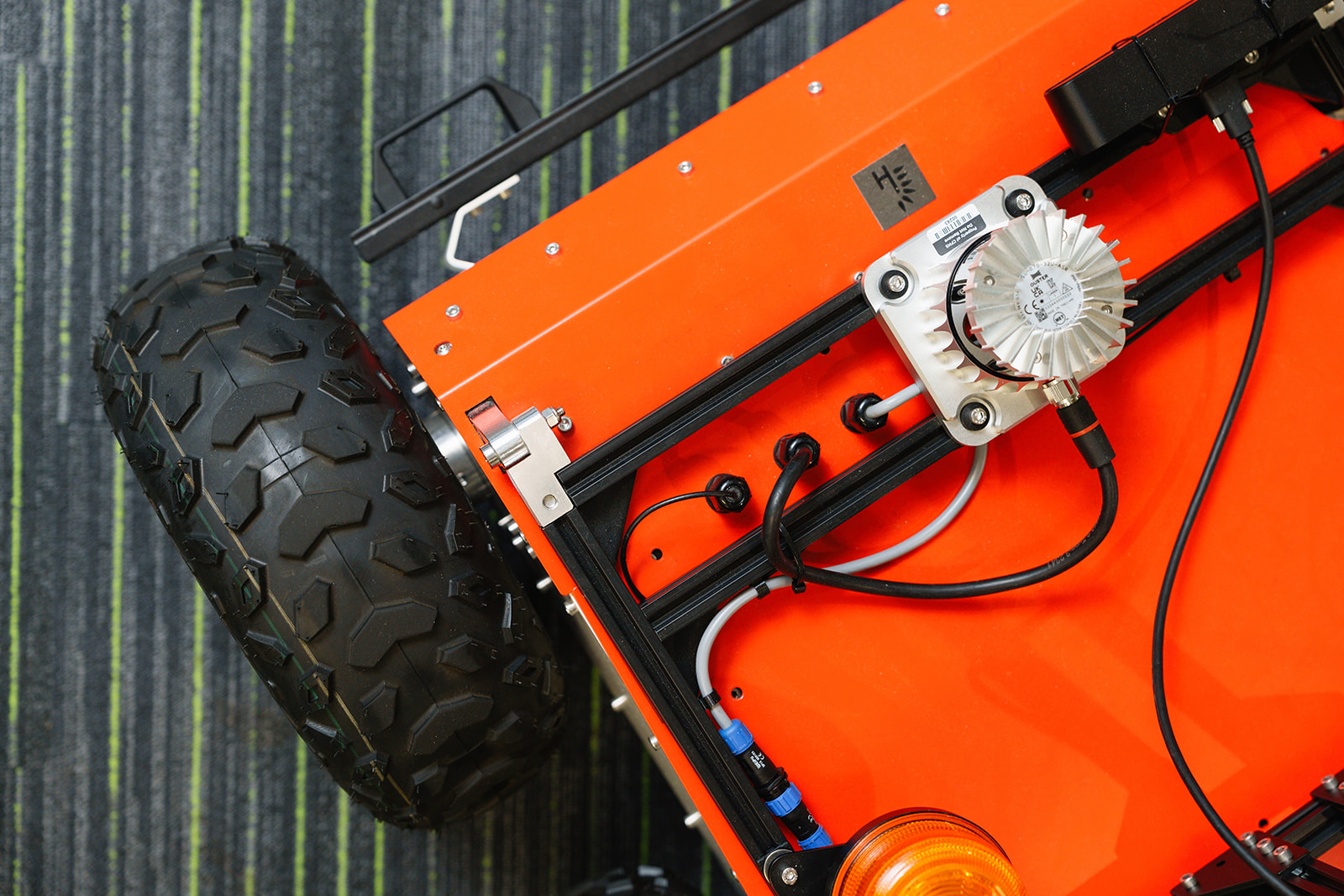
Robotics & Autonomous systems
Accelerating the development of complex robotics and autonomous systems to increase efficiency and reduce risk.
Our differentiators
Simulate thousands of scenarios to develop and test autonomous systems. Deploy results to the edge for verification and rapid iteration.
RAS has the potential to remove humans from hazardous operations or processes. Instead of sending a human operator to a remote or hazardous location, a robot can be sent. By testing whether robotics and autonomous systems will work through simulation, commands, actions and paths can be derisked before they are deployed onto an actual system. We’ve developed the tools that allow you to do this and understand impact before committing to real deployment.
Impact studies
How we use Robotics and Autonomous Systems.
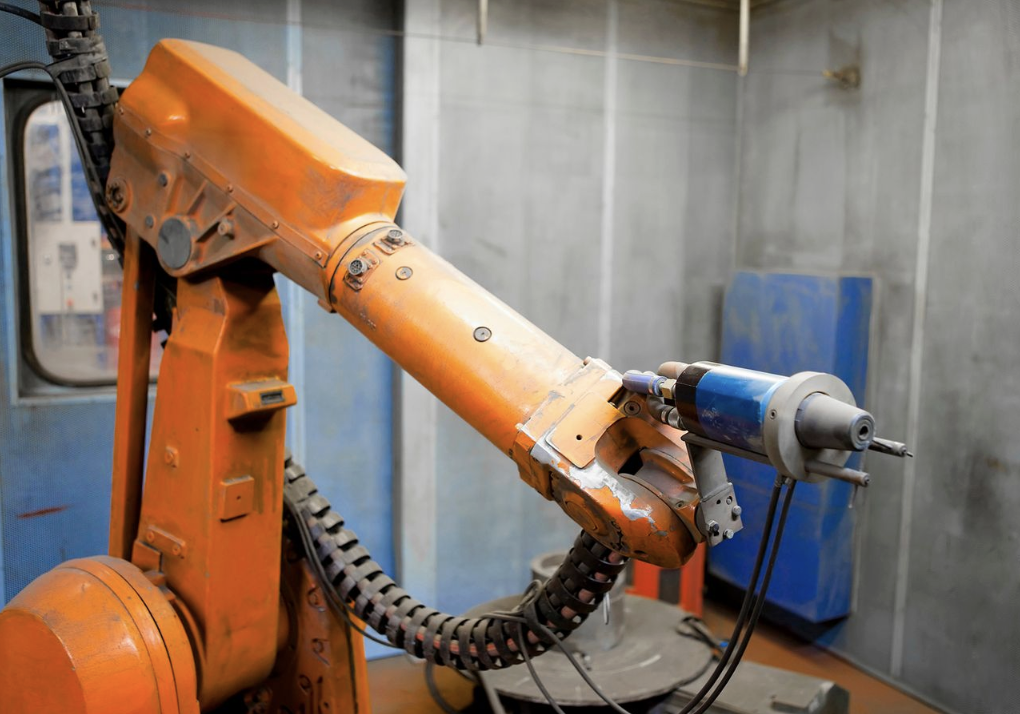
Path Planning for robotic systems to predict performance
Utilising path planning techniques to understand robotic performance and subsequent outcomes. Reduce the risk involved in using robotics for manufacturing processes.
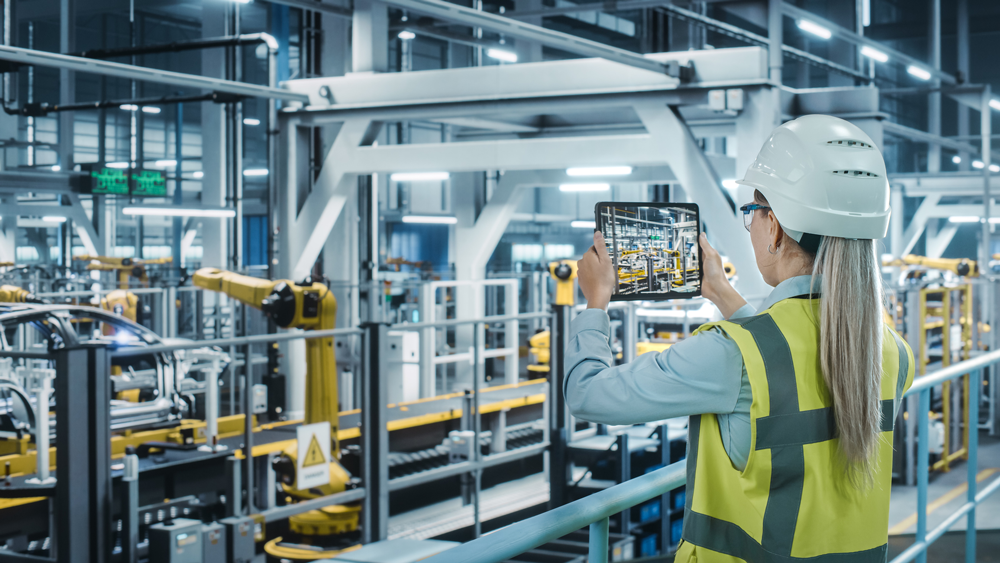
Visual inspection using AI
Using synthetic data generation and expert knowledge capture to increase the performance and robustness of AI for novel visual inspection techniques.
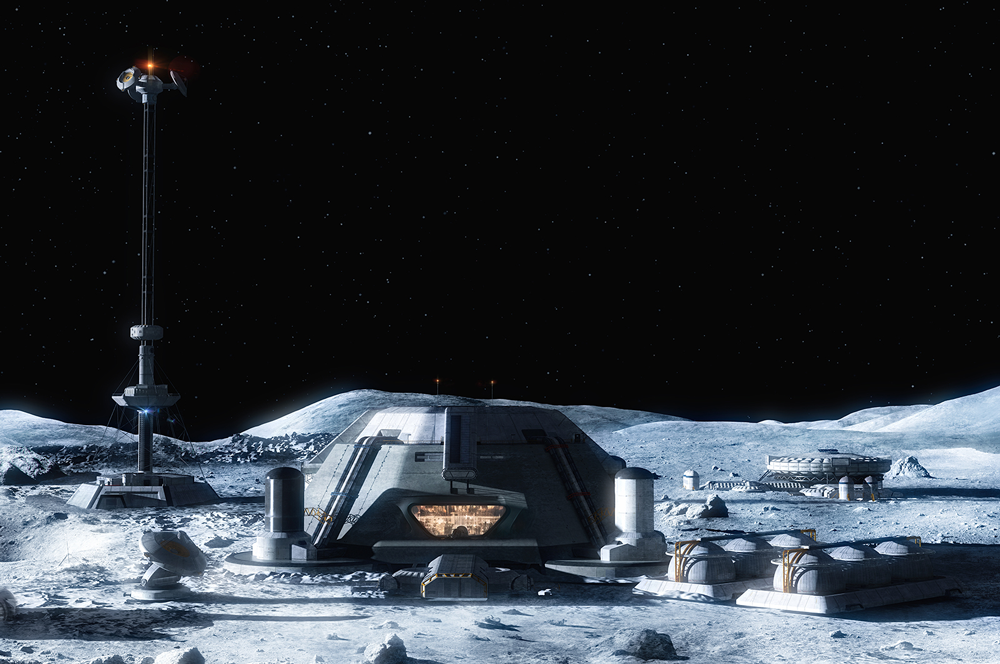
LARS Sim (Robotic platforms)
LARS Sim enables robotic behaviour to be explored in a representative virtual environment before moving onto physical testing.
EXPLORE BY SECTOR
Where do robotics and autonomous systems apply to your work?
Robotic and autonomous systems capabilities apply differently across sectors. Select yours to understand how CFMS’s capability works in your engineering context.

Aerospace

Utilise robotics and autonomous systems in testing processes, reducing reliance on manual testing processes.

Construction
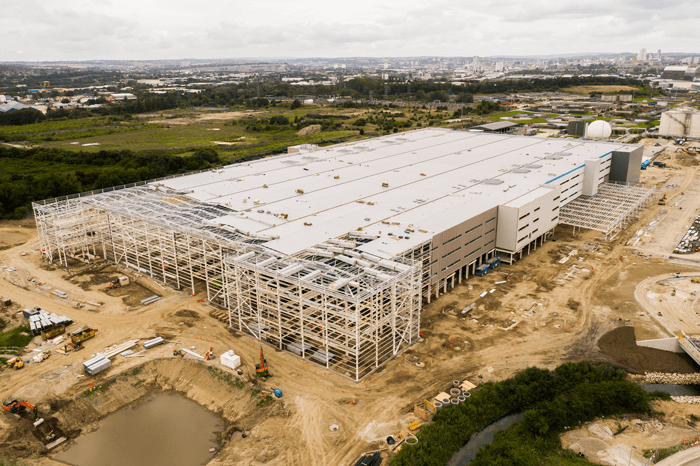
Use robotics to survey hazardous or hard to reach areas, collect information and translate that into a digital twin for decision making.

Energy

Reduce risk in remote inspection activities through the development of autonomous robotics.

Manufacturing
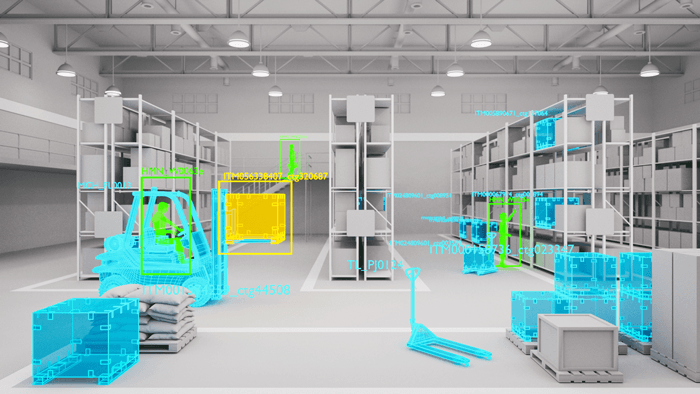
Mitigate ERGO risks by utilising robotics to remove the need for operators to go into harsh environments whilst keeping humans in the loop.

Space
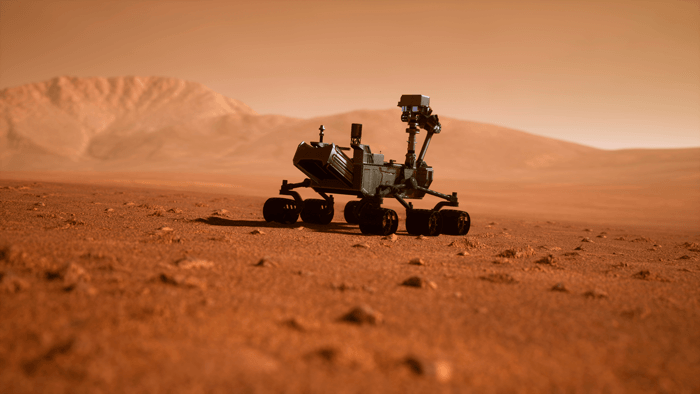
Scaled simulation approach to model thousands of robotics systems and the environment they interact in.
Common questions about robotics and autonomous systems
Robotic systems use sensors to ‘see’ their environment. These might be LiDAR or camera systems. By simulating the environment a robotic system will be in accurately and representative of what they’d be seeing, you can virtually test the robot.
Robotics has lots of potential within the inspection space. With digital technologies, you can design a simulation of an inspection, using a robotic system for the inspection, you can then use the outputs of that simulation to train a machine learning model and deploy that onto a robot. Robots can repeatedly complete tasks, operate for 24 hours a day and can support with reducing inspection costs. They can also be deployed into hazardous or hard to reach environments where an operator shouldn’t access.
Yes because autonomous systems have to cope with uncertainty in their environment. Humans are great at this and are very adaptable, robots are not. We’re developing the tools to address this challenge.
We’re using a range of tools and methods for RAS applications. Our onsite HPC class compute enables us to iterate quickly and at scale. We’re developing novel AI methods and training AI models to support RAS systems. We have also built a dedicated robotics simulation framework and have the ability to test these simulations and other methods on robotics hardware to validate them.
From the CFMS team
Thinking on robotics and autonomous systems.
-
Enterprise Architecture

Enterprise Architecture
-
Large-scale infrastructure planning for optimised construction

Large-scale infrastructure planning for optimised construction
-
Mass haul movement planning for large-scale infrastructure projects
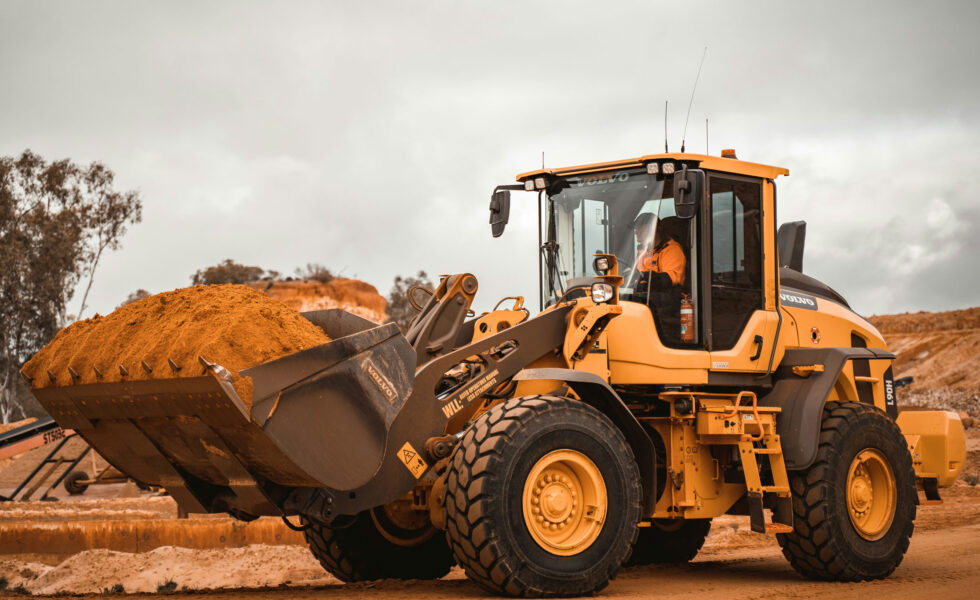
Mass haul movement planning for large-scale infrastructure projects
-
Visual Inspection Using AI
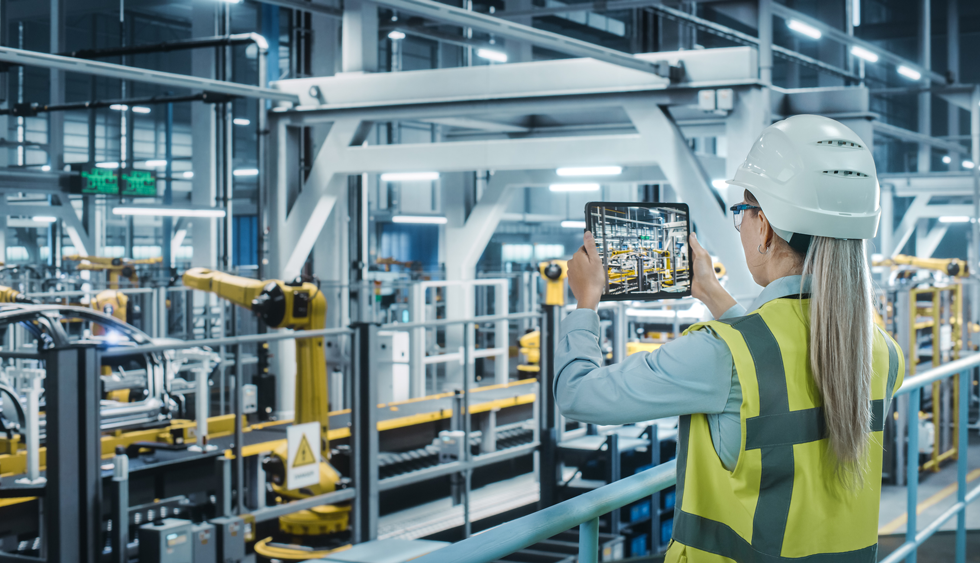
Visual Inspection Using AI
-
Smarter Testing Technique Development for Aerospace Inspection
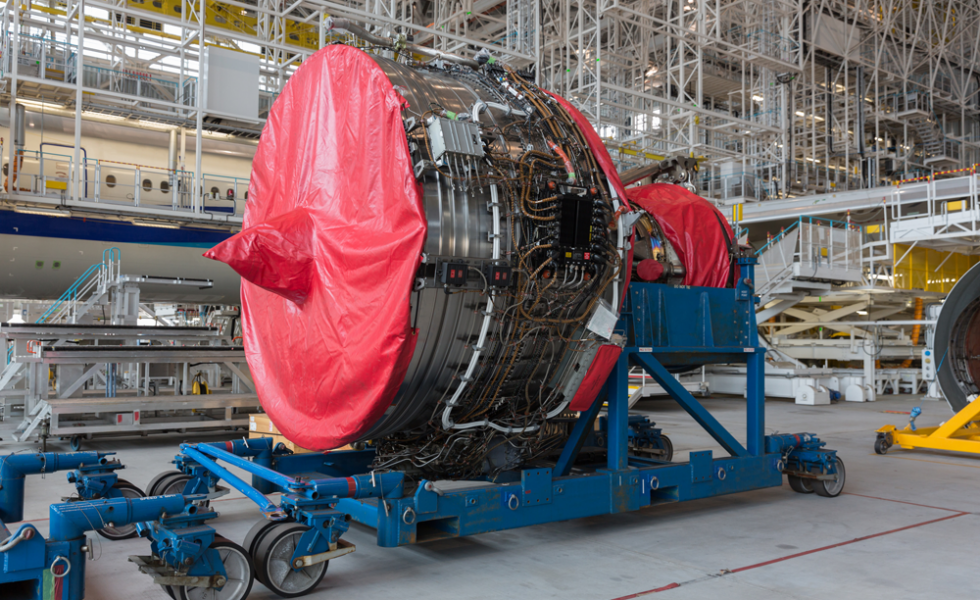
Smarter Testing Technique Development for Aerospace Inspection
Work with CFMS
Bring us your robotics and autonomy challenge.
Whether you need an autonomous inspection capability, a robotic assembly or testing system, or machine-vision development for a constrained environment — we want to understand the problem first.