

Modelling & Simulation
Predicting whole system performance through mathematical
modelling and simulation.
Our differentiators
CFMS uses bespoke, in-house developed tools, free from
licence constraints and native to HPC.
Commercial off-the-shelf tools were designed to suit the standard use cases. Today’s engineers are faced with increasing complexity, pushing the limits of the current commercial tools. Our research and development is producing new tools that push past these limitations. This enables complexity to be explored deeply, more expansively and in ways that have not been done before. This is all made possible by our team who combine multi-disciplinary skill sets to solve hypercomplex problems.
Impact studies
How we use modelling and simulation.
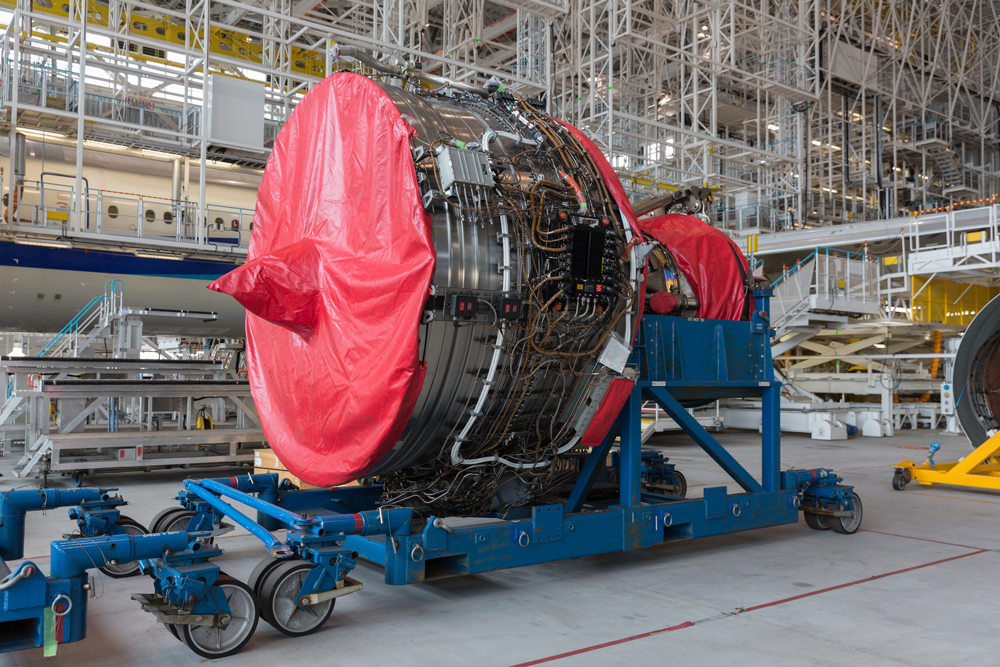
Smarter testing technique development for aerospace inspection
1,000,000 structural finite element simulations evaluated in 3 weeks, providing insights into variability and improving decision making.
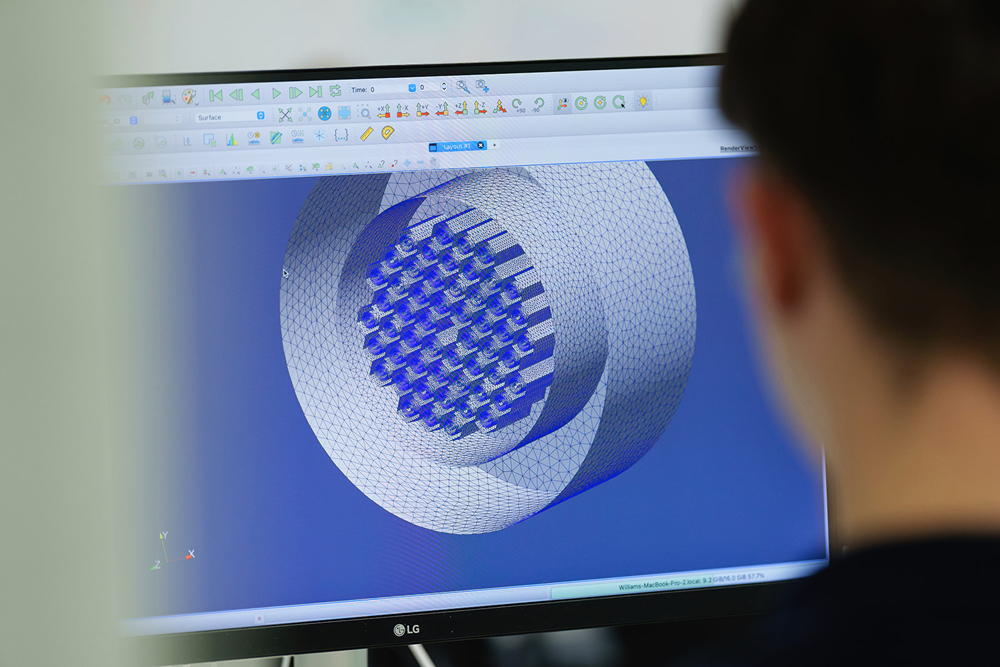
Multiphysics simulation to understand complex real-world systems
Multiphysics modelling allows for complex processes across multiple domains to be simulated, increasing model accuracy and providing a deeper understanding of complicated physical interactions.
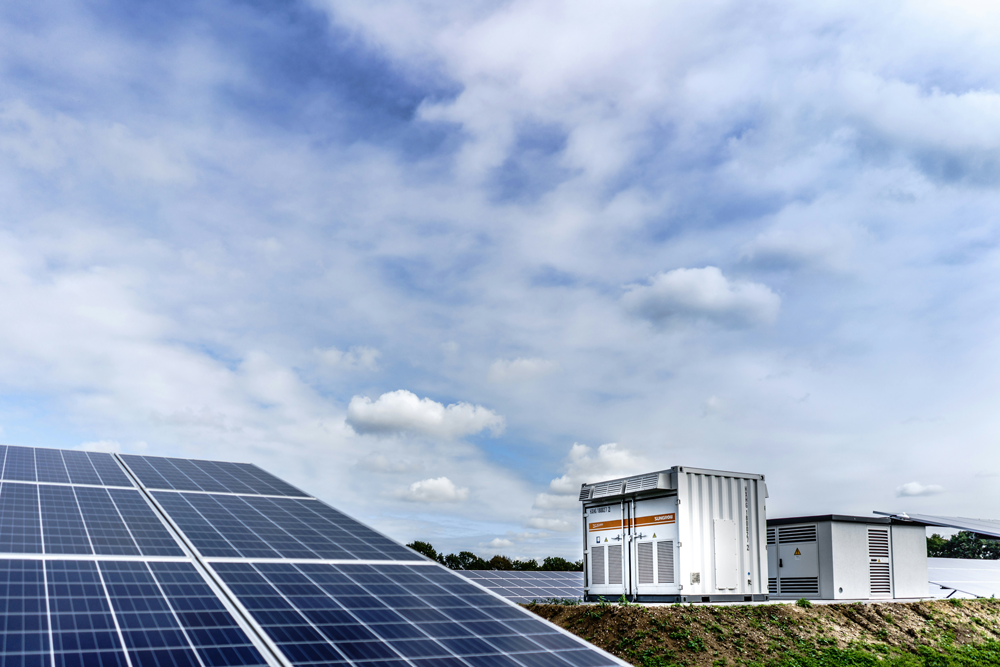
Novel whole system modelling for energy storage systems
Increased understanding of fundamental system behaviour through whole-system physics-based modelling.
EXPLORE BY SECTOR
Where does modelling and simulation apply to your work?
Modelling and simulation applies differently across sectors. Select yours to understand how CFMS’s capability works in your engineering context.

Aerospace

Manufacturing simulation, testing development and design space exploration for the next generation of aircraft.

Construction
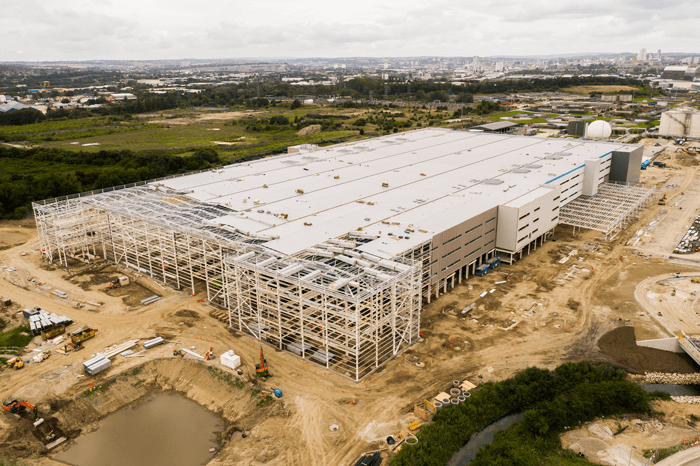
Support for large infrastructure projects through build schedule modelling, layout optimisation and planning.

Energy
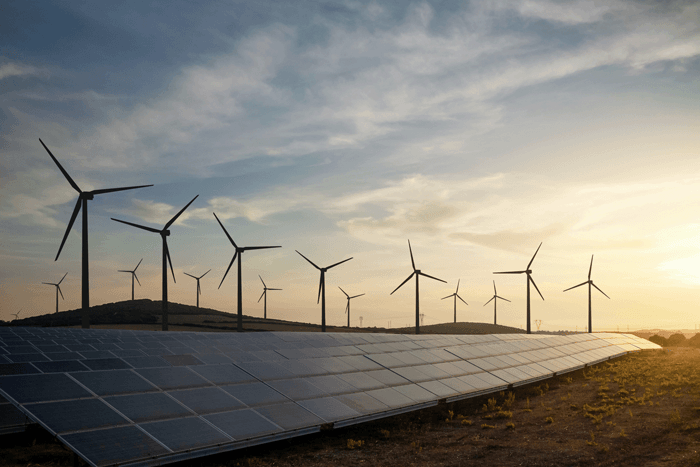
Whole system modelling for future energy concepts.

Manufacturing
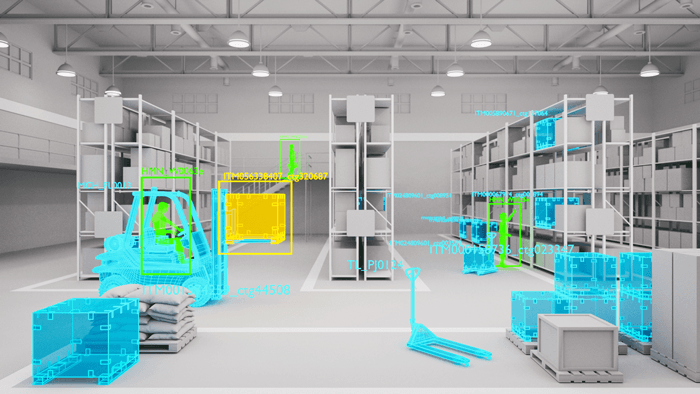
Explore and optimise your processes whether it’s simulation driven inspection development, layout optimisation or factory simulation.

Space
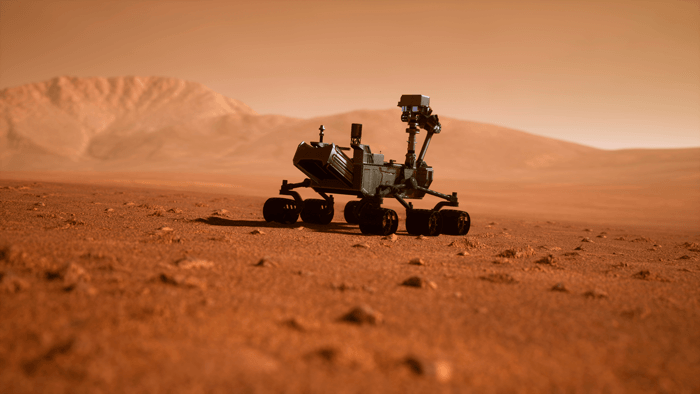
Simulate kinematics and dynamics of multi-body interactive robots.

Transport

Planning from staff resourcing to timetable modelling and resilience building for reliable transport systems.
Common questions about Modelling and Simulation
A digital twin is a digital representation of a physical system that reflects how a system behaves in real time. It pulls real-world data to provide a view of how its physical counterpart is behaving.
A digital twin draws on real-time data to represent how a system is currently behaving at a single point in time. A simulation can use this data, but then represents a future state, where something, e.g., a variable or parameter, has changed and what the expected outcome is.
Model based systems engineering is an approach that uses mathematical models to enable us to build virtual representations of new systems and processes, reducing the need for costly physical prototypes. MBSE covers all stages of the product lifecycle from initial concepts through design, manufacture and into operation and maintenance. It acts as a single source of truth in complex engineering projects.
Using an external modelling and simulation partner, such as CFMS, is helpful when you hit the limits of your current tools or skillset and you need to go beyond them.
We specialise in complex mathematical modelling supported by our in-house developed tools and team for highly complex systems. Supported by a range of automation and our Bristol-based high performance compute data centre, we are an extension of your team that enables you to do more, go faster and be bold, without the unnecessary restriction of internal IT or time to get up to speed.
From the CFMS team
Thinking on modelling and simulation.
-
Access to Robotics for the South West
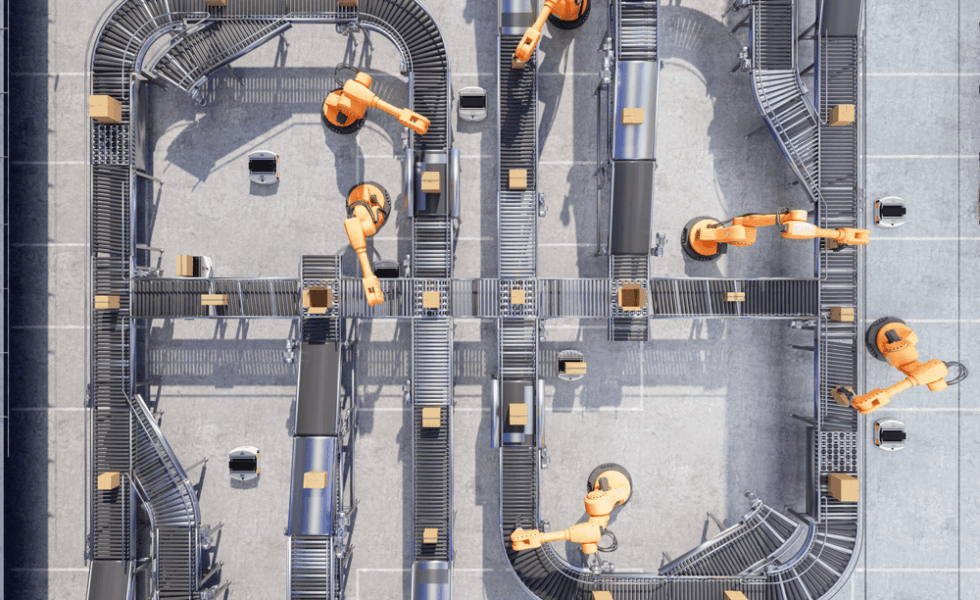
Access to Robotics for the South West
-
Using Uncertainty Quantification to Strengthen Engineering Decisions

Using Uncertainty Quantification to Strengthen Engineering Decisions
-
Design optimisation for silver print heating circuits

Design optimisation for silver print heating circuits
-
There’s always a place for you in engineering – INWED 2026
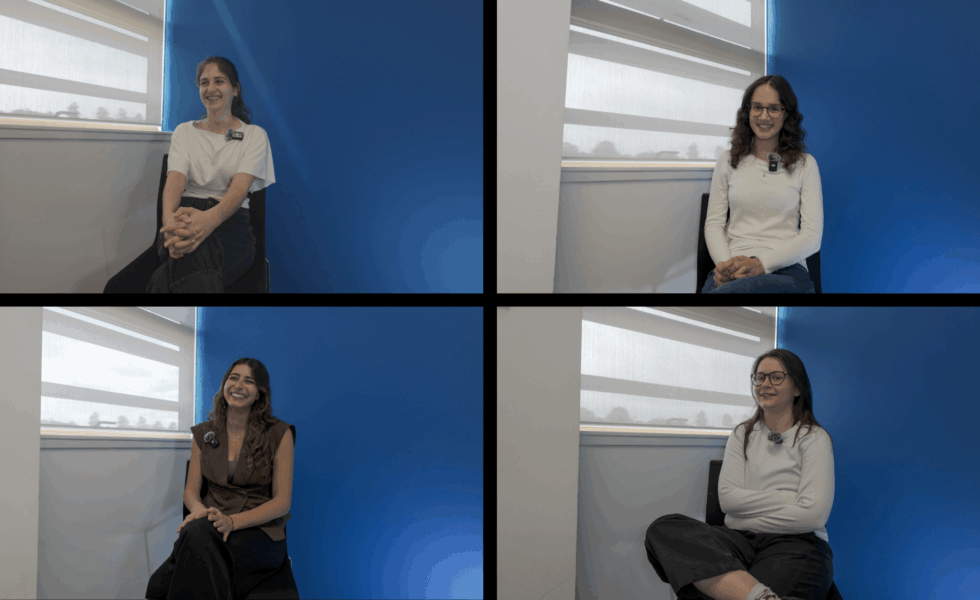
There’s always a place for you in engineering – INWED 2026
-
Digital Catapult and CFMS Announce Strategic Partnership
Digital Catapult and CFMS Announce Strategic Partnership
Work with CFMS
Bring us your modelling and simulation challenge.
Whether you need a model built from scratch, an existing approach validated, or HPC infrastructure to run simulations your current setup cannot support, we want to hear from you.