

Manufacturing
The demand for more efficiency processes, more resilient supply chains and more economical operations is accelerating the need for technology adoption in
manufacturing.
The manufacturing challenge
The manufacturing landscape is especially volatile, exposed to the impact of global events.
There is a growing need to introduce advanced digital technologies to support efficiency, automation and novel manufacturing techniques. The manufacturing environment is navigating challenges from labour shortages to global supply chain management and the complexity of adopting sustainable digital technologies. If we’re to achieve the time to market needed for the next generation of advanced manufacturing, acceleration is needed.
We work with you to optimise and advance your manufacturing processes, bringing novel manufacturing methods and greater productivity to the fore. From the factory floor through to novel manufacturing techniques, we’re utilising digital tools to do more, go faster and be bold.
How we work in Manufacturing
Our use cases in Manufacturing
There are many facets to manufacturing from the way factories are laid out and optimised through to how to actually manufacture a part. Uncover our key use cases in the sector. Want to discuss your challenge? Get in touch.
Conceptual Design Exploration
Run thousands or millions of models simultaneously to understand the effect of decisions. Rapidly converge on more optimal designs without the need for expensive experimental iteration.
Simulation Driven Inspection Development and Qualification
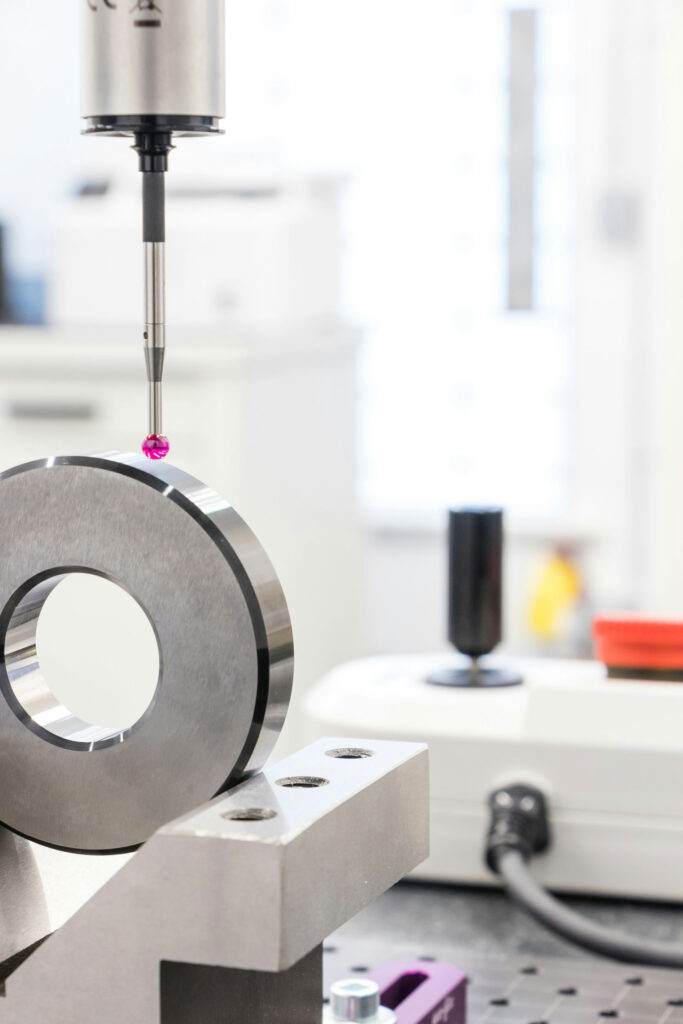
Gain a deeper understanding of the impact that design choices have on the ability to inspect for flaws. Physics-based simulation supports inspection design and qualification, enabling engineers to incorporate inspectability into the design process at an early stage to ensure detection requirements are met.
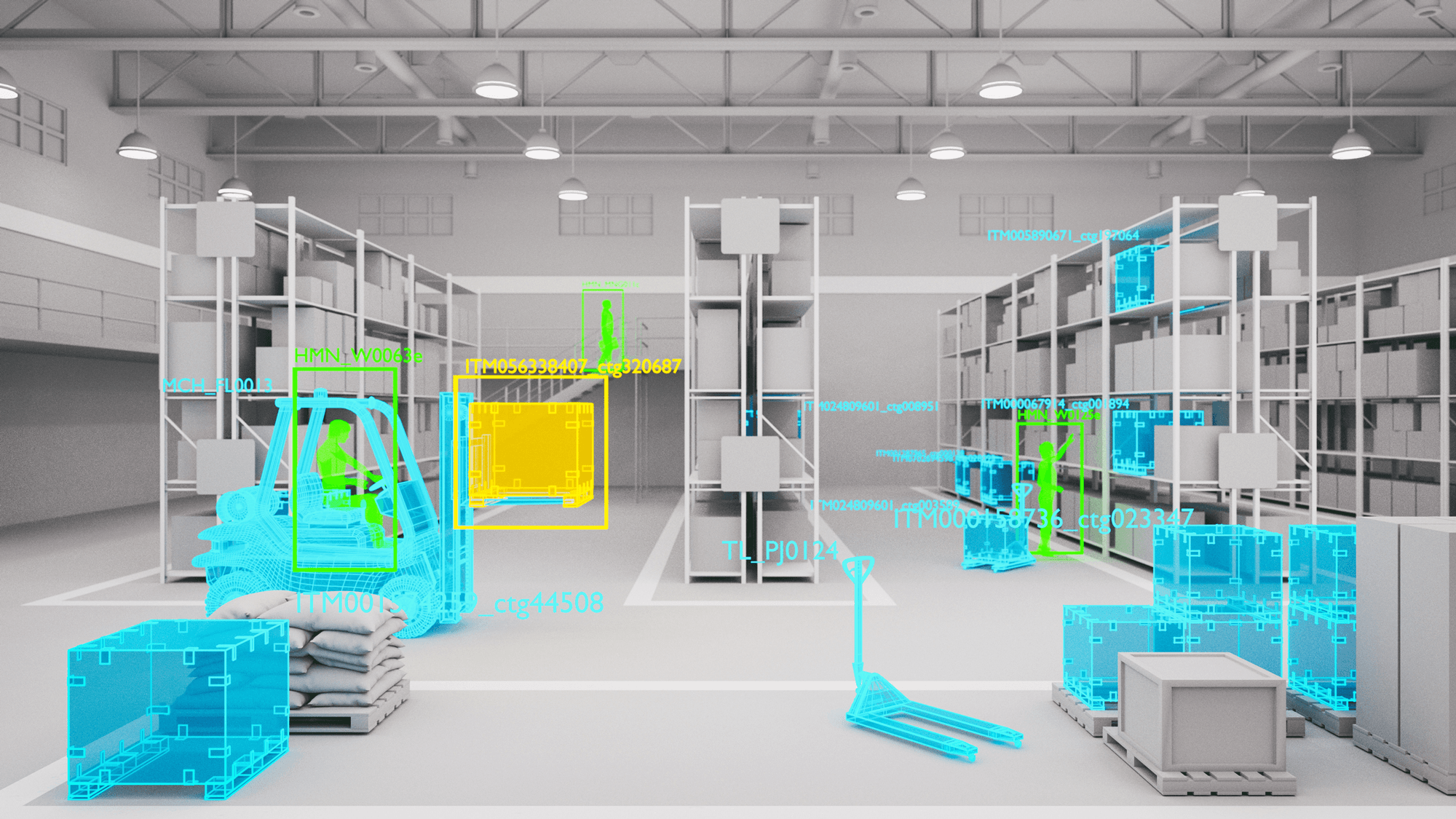
Layout Optimisation and Factory Simulation (LOAFS)
Model the complex behaviour of machines, facilities and supply chains using a high-performance compute enabled framework for transient simulation of factories. Understand the impact of uncertainty, disruption, bottlenecks and opportunities to improve performance, increase throughput and build more robust factories.
Composite simulations
Composites present a number of disparate simulation challenges from preform permeability prediction, through infusion simulations and structural performance. Our toolchain provides support throughout the design manufacture-operate lifecycle, incorporating experimental uncertainty at every stage.
Impact studies
Manufacturing problems we have solved.
Explore the challenges we’ve solve in manufacturing from process optimisation through to advanced composite simulations.
Optimising Factories and Layouts for Improved Manufacturing Outcomes
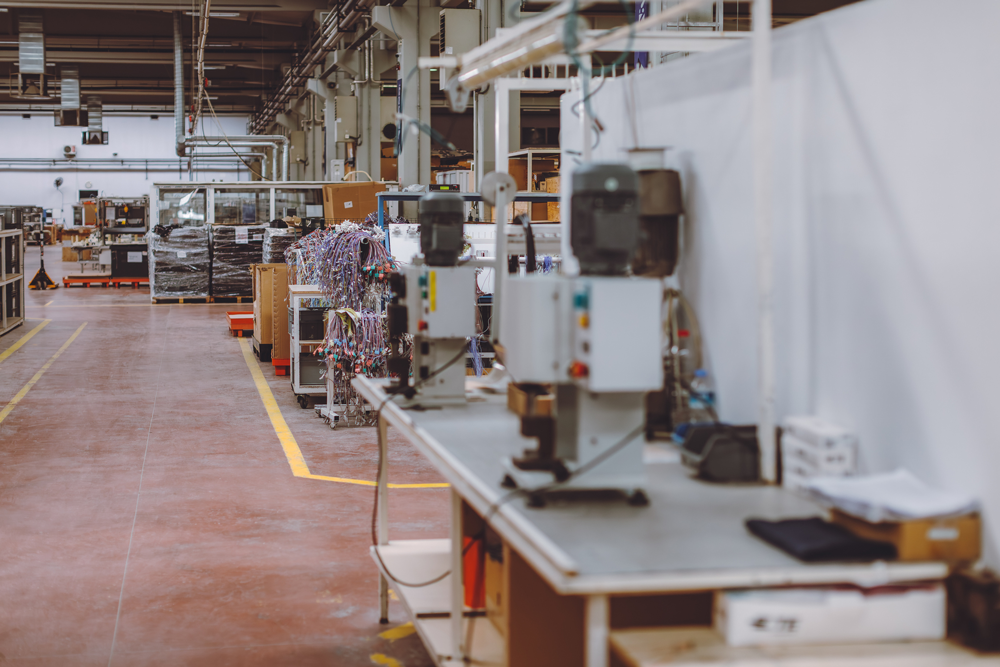
Optimising the design of new and existing factories to maximise efficiency poses a significant challenge to designers. We designed a fully parameterised model of an assembly line for an OEM, running over 4 million simulations in two days to evaluate options and understand the art of the possible.
Advanced Manufacturing Method Development
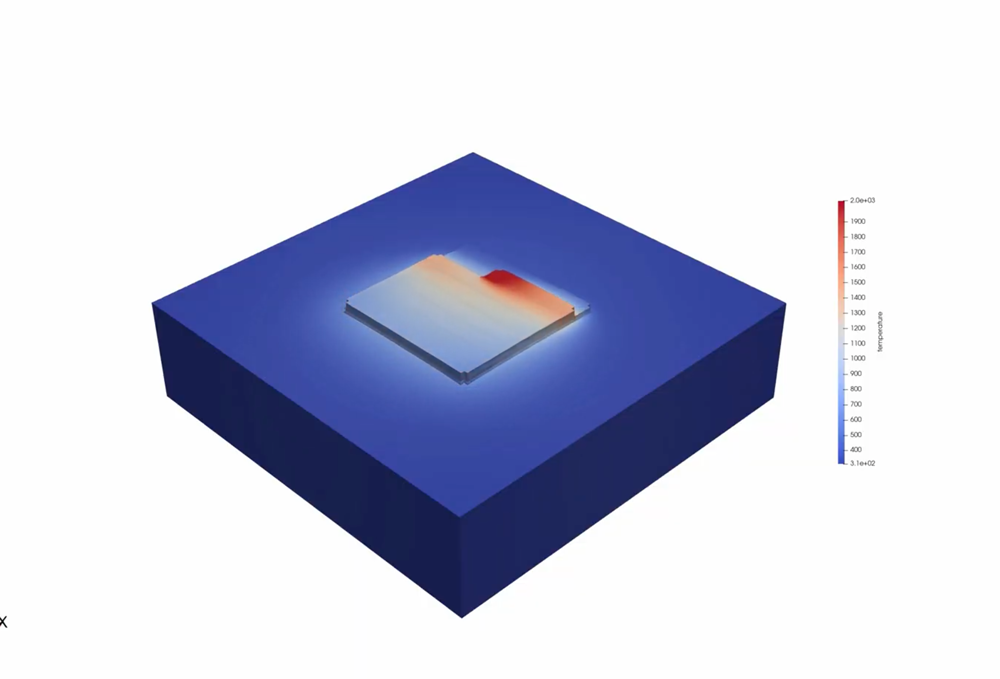
Advanced additive manufacturing methods can involve a range of multi-physics and multi-scale phenomena controlled by several process parameters that affect the quality of the printed part. The current commercial toolset is incapable of simulating these processes. We’ve developed a collection of bespoke models and simulations, supporting the productionisation of a novel additive manufacturing technique.
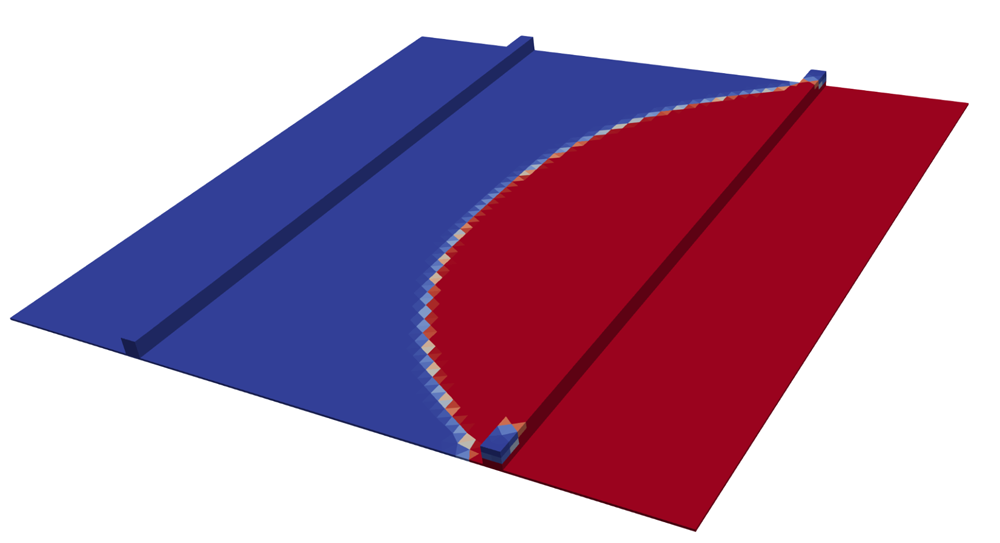
Composite simulation to prove novel manufacturing techniques
Manufacturing techniques used to produce composite parts are highly sensitive to small variations in the process and can be difficult to control precisely. Composite simulation tools that are scalable, automated and optimised can reduce risk in this process.
Why CFMS in manufacturing
What CFMS provides that an in-house manufacturing team cannot.
Our suite of simulation tools mean you can model more complex phenomena, proving novel manufacturing techniques and improving the productivity of your processes.

Technology-enabled Process Planning
We enable you to better utilise your factory, optimise your layouts and use technology to better plan your manufacturing processes. By utilising transient factory simulation and our in-house tools, you can better understand the behaviour of your manufacturing facility, make decisions to improve performance, reduce wastage and build more robust factories.

Improve Testing Techniques
Novel manufacturing techniques and therefore outputs need better, more effective testing techniques. With expertise in developing inspection techniques with Multiphysics simulation, we help you to incorporate testing into the design process of parts and systems.

Expansive Design Exploration
Utilise modelling, simulation and our onsite high performance compute to be able to expansively explore the design space. Uncover more potential design options that meet requirements.
Sector thinking
Insights from the manufacturing team.
-
Access to Robotics for the South West
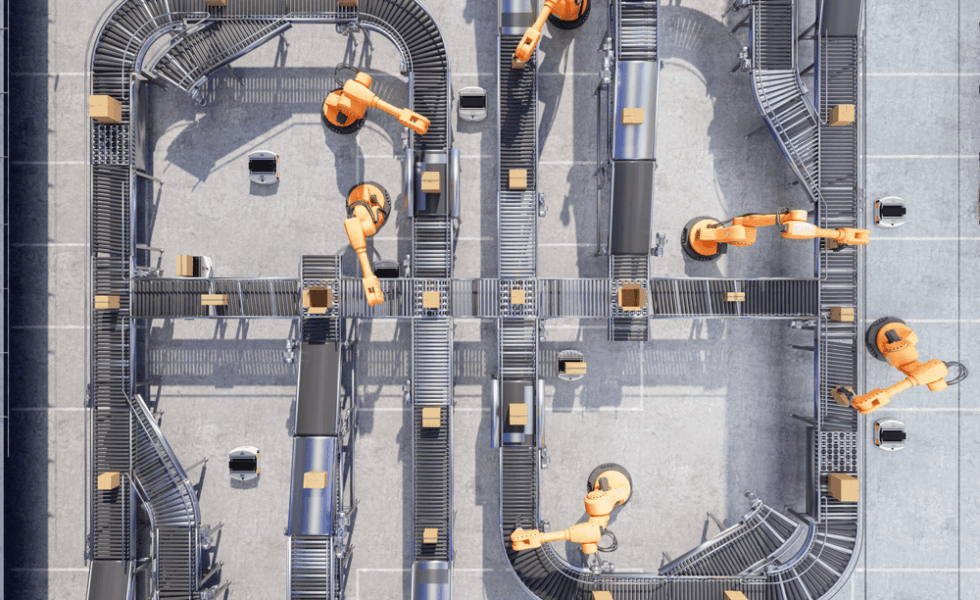
Access to Robotics for the South West
-
Using Uncertainty Quantification to Strengthen Engineering Decisions

Using Uncertainty Quantification to Strengthen Engineering Decisions
-
Design optimisation for silver print heating circuits

Design optimisation for silver print heating circuits
-
There’s always a place for you in engineering – INWED 2026

There’s always a place for you in engineering – INWED 2026
-
Digital Catapult and CFMS Announce Strategic Partnership

Digital Catapult and CFMS Announce Strategic Partnership
Common questions about Manufacturing
Factories are complex systems with many connected parts that must work in harmony to achieve maximum efficiency. A factory’s layout has a big impact on its efficiency therefore understanding the impact of different layouts is critical. Physically reconfiguring a factory many times is too expensive and time consuming, whereas modelling provides a fast and cost-effective way of quickly evaluating many potential layouts to find the best configuration.
Developing inspections though experimental trials is expensive and time consuming. Simulation enables inspectors to quicky test different inspection configurations to find the best setup and check that it will be able to find the defects of interest. This reduces lead times and provides more confidence in the capabilities of the inspection.
Additive manufacturing is a tightly coupled physical process that uses heat, fluid flow and phase changes to produce the final product. Understanding and optimising prints is critical for achieving highly accurate, high-rate manufacturing. Achieving this experimentally is time consuming, expensive and wastes lots of physical resources. Using tightly coupled multiphysics simulations allows these trials to be replicated faster and at lower cost, accelerating the introduction of these techniques into service.
High-value manufacturing is the process of producing highly valuable products. These might be valuable for various reasons such as having very stringent tolerances, being made of exotic materials, using specialist manufacturing techniques or be complex designs. They are often made in low volumes and might have very high costs with long lead times.
Work with CFMS
Tell us about your manufacturing challenge.
Whether your looking for productivity improvements from your layouts and process or want to prove a novel manufacturing technique for advanced high value design, get in touch. We want to hear from you.